Rate Limiting in C# (Part 1): Fixed Window Algorithm Explained with Real-World Edge Cases

Rate limiting is one of the most critical components in backend systems. It protects APIs from abuse, ensures fair usage, and stabilizes systems under load.
Understanding Encapsulation and Abstraction in C#: From Syntax to System Design

When developers start learning object-oriented programming, concepts like encapsulation and abstraction often feel theoretical. But in real-world systems, these ideas are not just academic—they directly influence how maintainable, scalable, and reliable your code becomes.
Fixing Rate Limiting & Stability in a Serverless Next.js Admin Panel

Learn how to implement rate limiting in a Next.js serverless environment, prevent memory leaks, and improve authentication security with a practical approach.
Architecture Behind thesagarpanwar.com (Real-World Backend + AWS System Design)
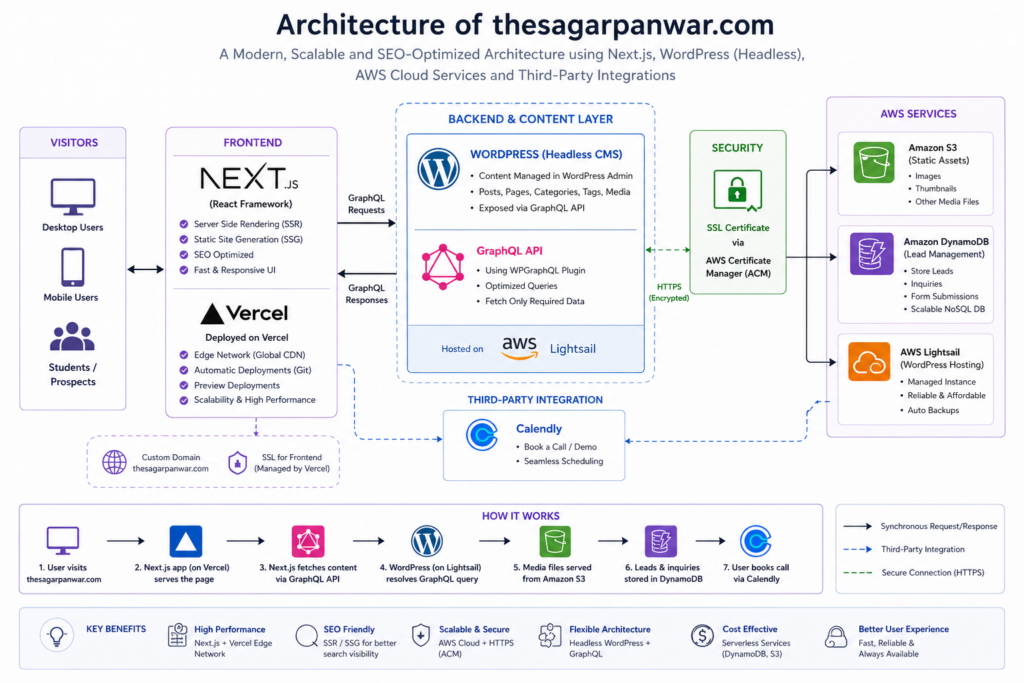
Learn how a real-world website is built using Next.js, AWS, DynamoDB, WordPress (headless), and GraphQL. Full system architecture explained.
How We Built a Scalable Digital Ticketing System (Architecture Deep Dive)
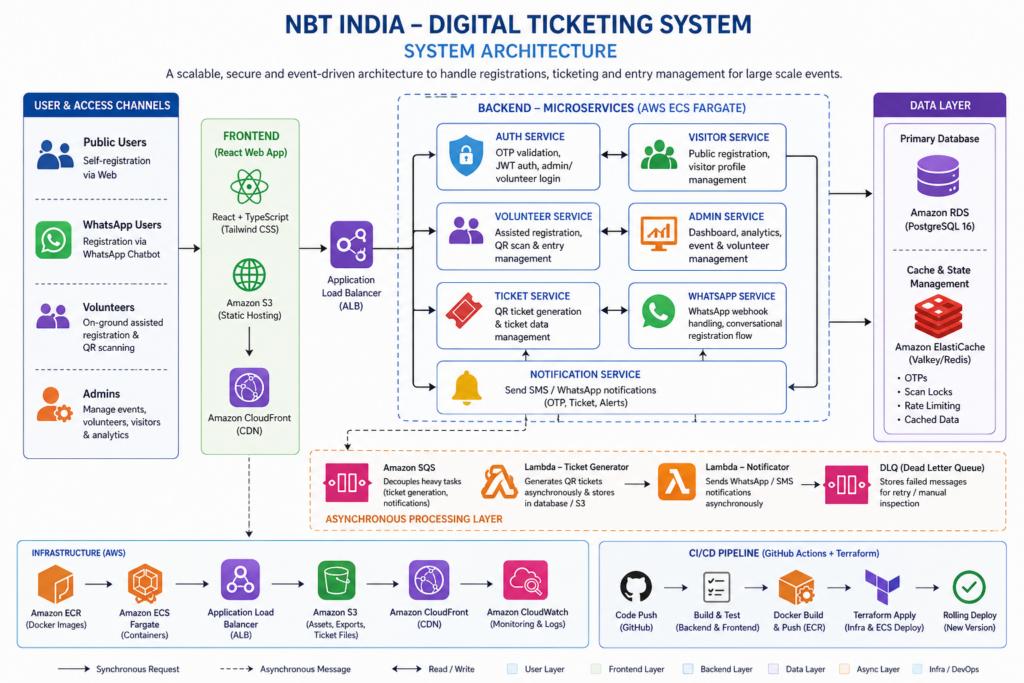
Learn how a scalable digital ticketing system was built using microservices, AWS, and event-driven architecture. Real-world system design case study.
What is a VPC Endpoint in AWS?

A VPC Endpoint is a service that allows you to privately connect your Virtual Private Cloud (VPC) to supported AWS services without using: This means your traffic never leaves the AWS network, which: VPC endpoints are powered by AWS PrivateLink (for interface endpoints), enabling secure and private communication between services. How VPC Endpoint Works Explanation […]
Understanding Serverless and AWS Lambda

What is Serverless? Let’s start with the concept of serverless computing. The term serverless can be misleading. It does not mean there are no servers. Instead, it means you don’t have to manage servers. The cloud provider takes care of infrastructure tasks like provisioning, scaling, and maintenance. This allows developers to focus purely on: For […]
JavaScript – Coercion
A massive misconception among developers is that == checks for value equality while === checks for value and type equality. The accurate explanation is that == allows coercion in the equality comparison and === disallows coercion’
The crutches of your comfort zone

The crutches of your comfort zone may help you walk today, but they are the biggest enemy of your growth.
Serverless is not free — it’s a different kind of cost
Everyone sells serverless as ‘pay only for what you use’. But nobody talks about the cognitive overhead: cold starts, DLQ monitoring, distributed tracing across 10 Lambdas, and the fact that debugging is a completely different discipline. The cost moved from infra bills to engineering hours.